

Straightening your teeth isn’t just cosmetic; it makes brushing and flossing easier, reduces wear on your enamel and jaw joints, and improves how your bite distributes pressure. Dental braces are the most reliable way to correct crowded, crooked, or misaligned teeth, and modern options are more comfortable and discreet than ever.
Common Types of Braces
Most patients in the Philippines choose between three main options:
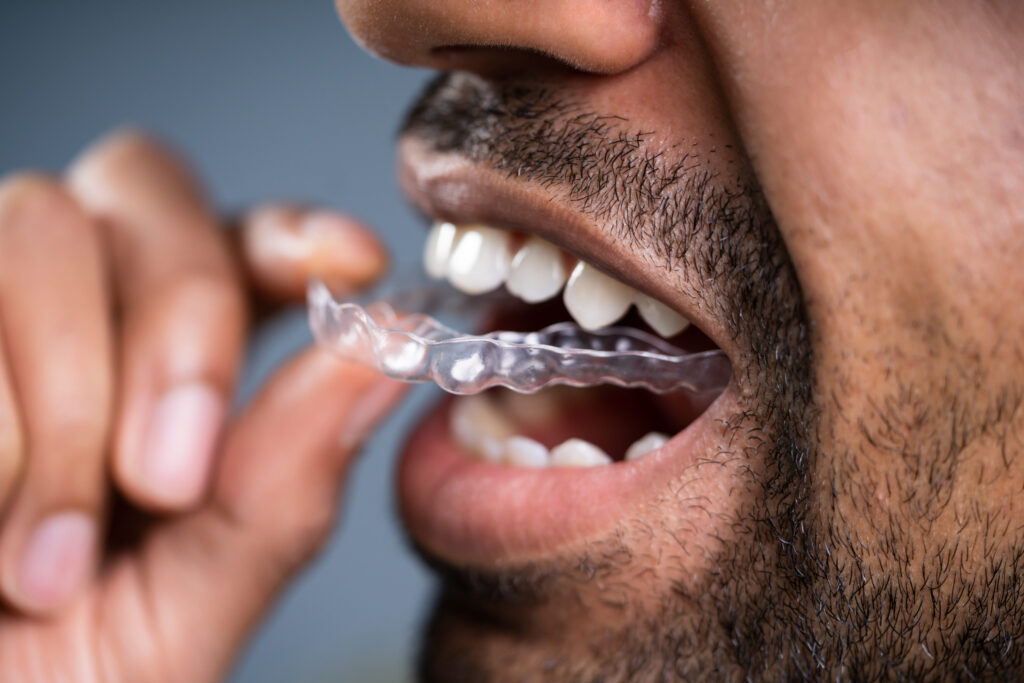
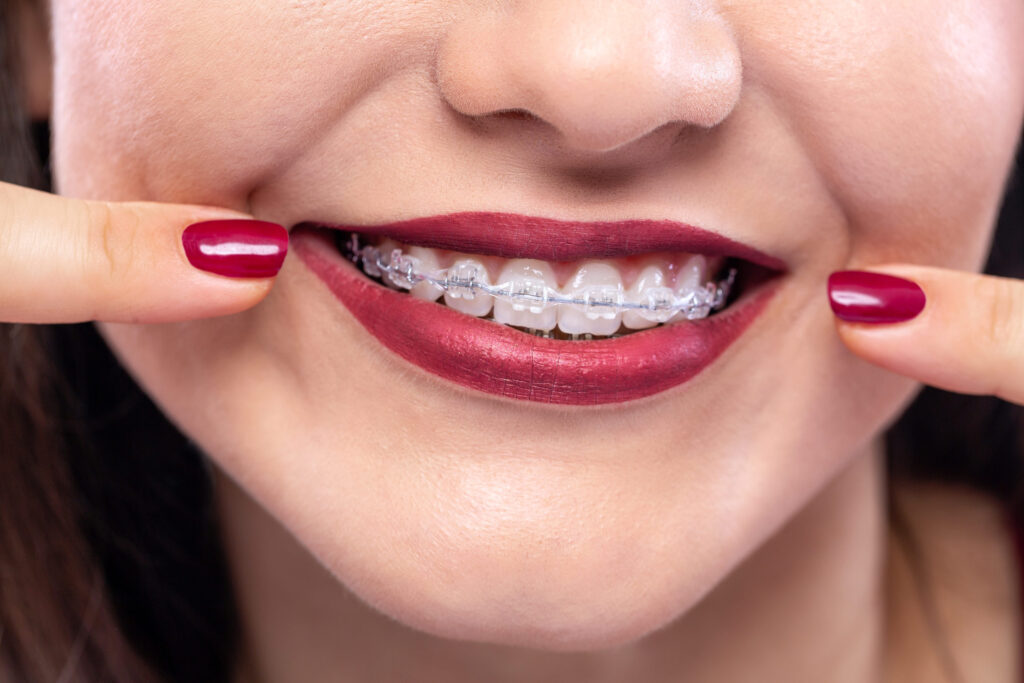
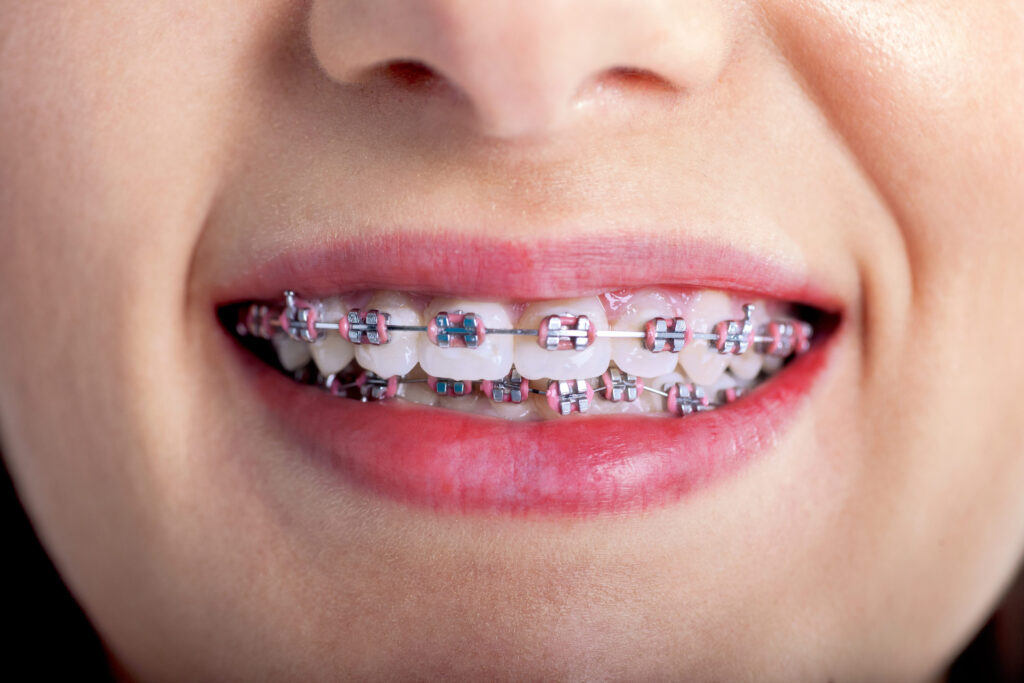
- Traditional metal braces — classic stainless-steel brackets and wires. Strongest, most affordable, and effective for even the most complex cases. Visible when you smile.
- Ceramic braces — same shape and function as metal, with tooth-coloured brackets that blend in. A popular middle ground for adults who want discretion without the price of aligners.
- Clear aligners — removable, transparent trays that gradually shift your teeth. Nearly invisible, easy to clean, and you can take them out to eat. Best for mild to moderate cases.
Your orthodontist will recommend the option that matches your case, lifestyle, and budget after a full assessment.
How Long Does Treatment Take?
Most braces treatments run 18 to 24 months, though simple cases can finish in as little as 6 to 12 months. After active treatment, you’ll wear a retainer (full-time at first, then nightly) to keep your teeth from shifting. Skipping retainers is the most common reason teeth move out of place after braces are removed.
How Much Do Braces Cost?
Cost depends on the type of braces, the complexity of your case, and the treatment length. As a rough guide:
- Metal braces: ₱40,000 – ₱70,000
- Ceramic braces: ₱50,000 – ₱80,000
- Clear aligners: ₱100,000 – ₱200,000+
What to Expect at Your First Visit

Your initial consultation includes:
A full bite and alignment assessmentDigital X-rays and either impressions or 3D scans of your teethA treatment plan covering recommended type, timeline, and cost breakdownTime for questions about pain, food restrictions, lifestyle changes, and oral hygiene during treatment
There’s no obligation to start treatment after the consultation. Most patients want a few days to think it through, and that’s expected.