Skip to content

Dental Fillings: Types, Cost & What to Expect

Dental fillings are the most common dental treatment in the world — and for good reason. They stop tooth decay in its tracks, restore the shape and function of a damaged tooth, and prevent a small cavity from turning into a much bigger problem, such as an abscess or the need for a root canal. If your dentist spotted a cavity at your last check-up, a filling is almost always the next step.

When You Need a Dental Filling

Common reasons your dentist may recommend dental fillings include:

  • A new cavity caused by tooth decay
  • A cracked or chipped tooth from biting hard food or grinding
  • Worn-down enamel from teeth grinding (bruxism)
  • Replacing an old, leaking, or discolored filling
  • Repairing minor cosmetic issues like small gaps or chips on front teeth

The earlier a cavity is caught, the smaller and more affordable the filling. Skipping check-ups often turns a ₱2,000 filling into a ₱20,000 root canal and crown.

What to Expect During a Dental Filling

A standard dental filling appointment at Dentalis takes 30 to 45 minutes per tooth and follows these steps:

  • Local anesthesia — numbs the area so you feel no pain during the procedure
  • Decay removal — the dentist cleans out the cavity and shapes it to hold the filling
  • Filling placement — the chosen material is placed in layers, hardened with a curing light (for composite), and shaped to match your bite
  • Polishing — the filling is smoothed and polished so it feels and looks like the rest of the tooth

You can usually eat and drink immediately after a tooth-coloured filling. Numbness from the anesthesia wears off in 1-3 hours.

How Much Do Dental Fillings Cost

Cost depends on the material, the size of the cavity, and the tooth being filled. As a rough guide, it is usually around Php 1,500 to Php 4,000 per tooth.
Dental Braces: Types, Cost & What to Expect

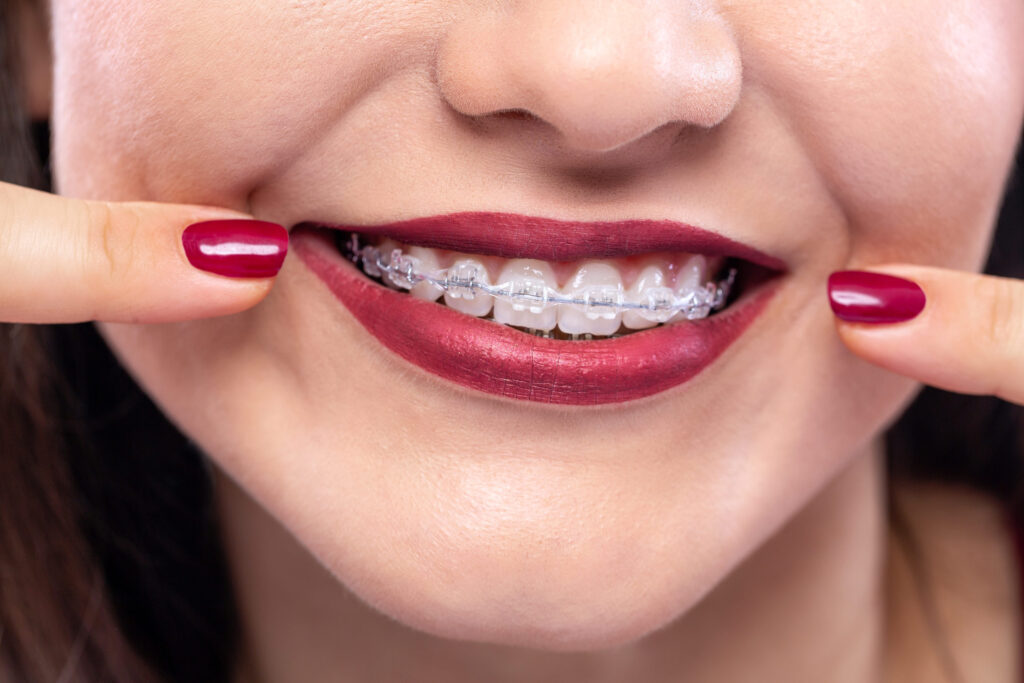
Straightening your teeth isn’t just cosmetic; it makes brushing and flossing easier, reduces wear on your enamel and jaw joints, and improves how your bite distributes pressure. Dental braces are the most reliable way to correct crowded, crooked, or misaligned teeth, and modern options are more comfortable and discreet than ever.

Common Types of Braces

Most patients in the Philippines choose between three main options:

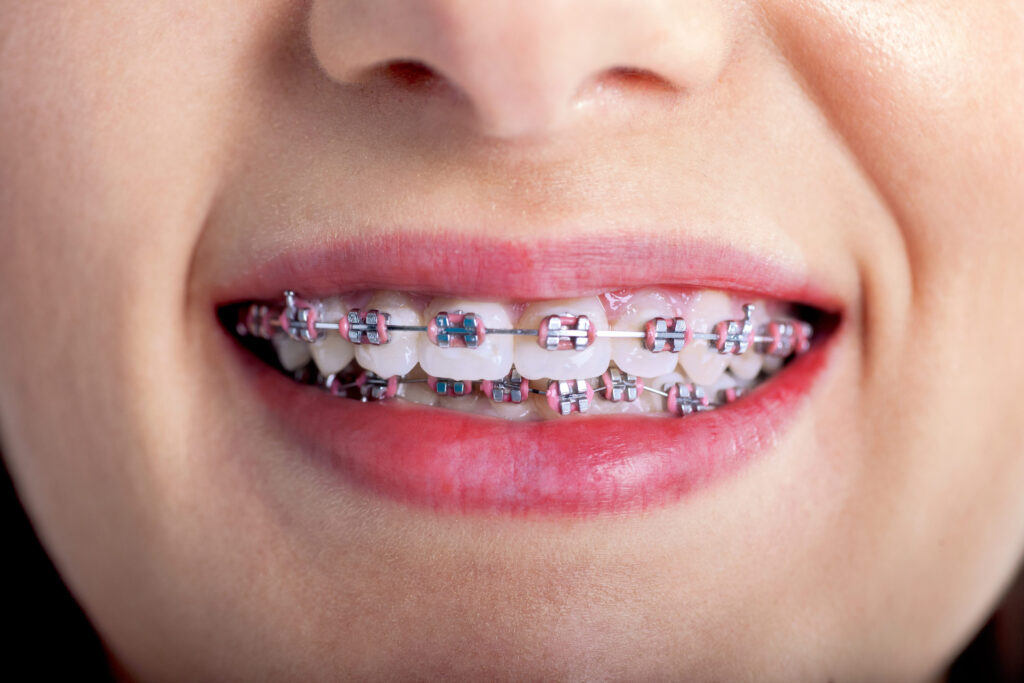
  • Traditional metal braces — classic stainless-steel brackets and wires. Strongest, most affordable, and effective for even the most complex cases. Visible when you smile.
  • Ceramic braces — same shape and function as metal, with tooth-coloured brackets that blend in. A popular middle ground for adults who want discretion without the price of aligners.
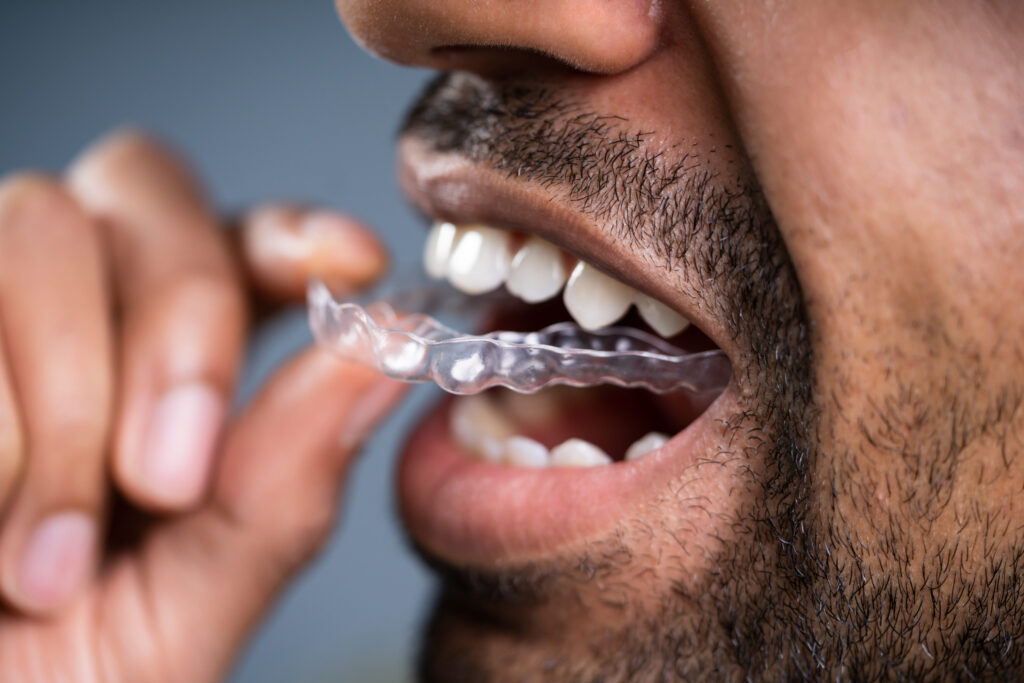
  • Clear aligners — removable, transparent trays that gradually shift your teeth. Nearly invisible, easy to clean, and you can take them out to eat. Best for mild to moderate cases.

Your orthodontist will recommend the option that matches your case, lifestyle, and budget after a full assessment.

How Long Does Treatment Take?

Most braces treatments run 18 to 24 months, though simple cases can finish in as little as 6 to 12 months. After active treatment, you’ll wear a retainer (full-time at first, then nightly) to keep your teeth from shifting. Skipping retainers is the most common reason teeth move out of place after braces are removed.

How Much Do Braces Cost?

Cost depends on the type of braces, the complexity of your case, and the treatment length. As a rough guide:

  • Metal braces: ₱40,000 – ₱70,000
  • Ceramic braces: ₱50,000 – ₱80,000
  • Clear aligners: ₱100,000 – ₱200,000+

What to Expect at Your First Visit

Your initial consultation includes:

  • A full bite and alignment assessment
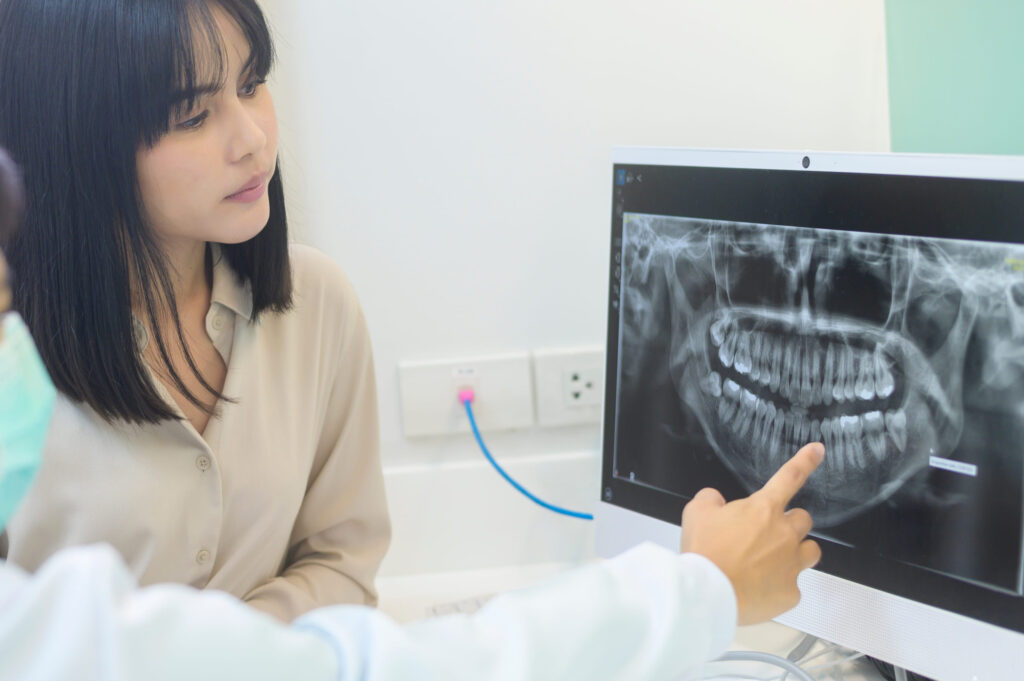
  • Digital X-rays and either impressions or 3D scans of your teeth
  • A treatment plan covering recommended type, timeline, and cost breakdown
  • Time for questions about pain, food restrictions, lifestyle changes, and oral hygiene during treatment

There’s no obligation to start treatment after the consultation. Most patients want a few days to think it through, and that’s expected.

Why Regular Dental Check-up & Cleaning Matters

A regular dental check-up and professional teeth cleaning every six months is one of the simplest things you can do for long-term oral health and one of the most overlooked. Routine visits catch small problems before they turn into expensive, painful ones, and they remove the plaque and tartar that brushing alone can’t reach.

Why You Need a Regular Dental Check-up Every 6 Months?

Dentists recommend check-ups twice a year because that’s roughly how long it takes for plaque to harden into tartar and for early decay to progress into a cavity. By the time most people feel a problem such as sensitivity, pain, or swelling, the issue has already moved past the easy-fix stage. Routine visits keep you ahead of that timeline.

If you wear braces, have dental implants, are managing gum disease, or have conditions like diabetes or pregnancy gingivitis, your dentist may recommend visits every three to four months instead.

What Happens During a Routine Check-up

A standard appointment at Dentalis includes:

  • A full dental exam – checking each tooth for decay, cracks, and wear; assessing your gums for early gingivitis or periodontal disease; and screening for oral cancer.
  • Digital X-rays when needed, to spot issues hidden between or below the teeth.
  • Professional cleaning (oral prophylaxis) – removing plaque, tartar, and surface stains with ultrasonic scaling and polishing.
  • Dental advice on brushing, flossing, diet, and any concerns you raise.

The whole visit usually takes 45 minutes to an hour. You leave with cleaner teeth, fresher breath, and a clear picture of your oral health.

The Real Cost of Skipping Cleanings

A routine cleaning is one of the most affordable dental services you’ll ever pay for. Skipping it usually costs you more. Untreated plaque becomes tartar, tartar leads to cavities and gum disease, and gum disease is the leading cause of tooth loss in Filipino adults. Filling a cavity, treating a periodontal infection, or replacing a lost tooth with an implant or bridge are all far more expensive than a twice-yearly cleaning.

Prevention is the cheapest dentistry there is.

Book Your Regular Dental Check-up at Dentalis

If it’s been more than six months since your last cleaning, schedule a visit at any of our clinic locations. We accept most major HMOs and offer same-day appointments for urgent
concerns.

Your future smile starts with what you do today.